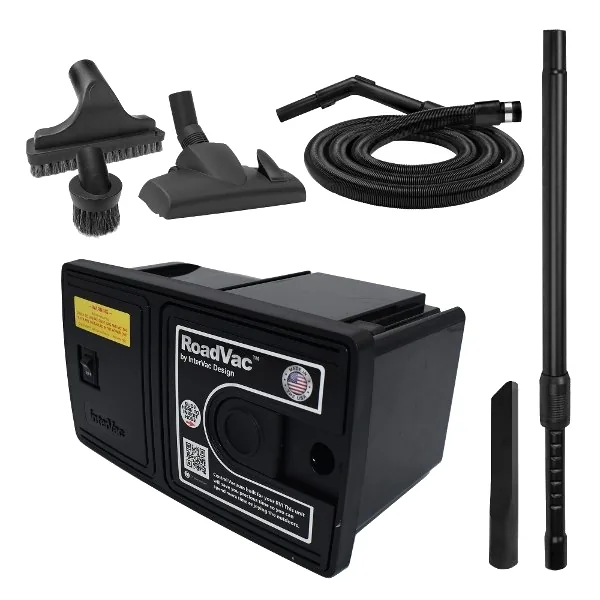
Self-contained
RoadVac CS-6
For rigs on a tight power budget. Takes the Y10 bag.
Built to order
RV central vacuums since 1997
Of the 342,220 RVs shipped in North America last year, about 10% left the factory with a central vacuum — and InterVac built more of them than every other supplier combined. RoadVac is that system, sold direct with the bags, tools and parts that fit it.
Clean made Simple®
Start here
There are six, they share a housing, and the badge is usually somewhere you cannot see. Answer two or three questions and you will know which one you have — and, more to the point, which dust bag actually seals in it.
The range
Six are RoadVacs, and they all move the same air — 414 air watts, 92 in. of sealed water lift, up to 900 sq. ft. What separates them is how the coach is plumbed and how the vacuum is switched on. The seventh, the RM, is a different InterVac that coach builders also fit — Tiffin among them.
For rigs on a tight power budget. Takes the Y10 bag.
The simplest install in the range. Takes the Y10 bag.
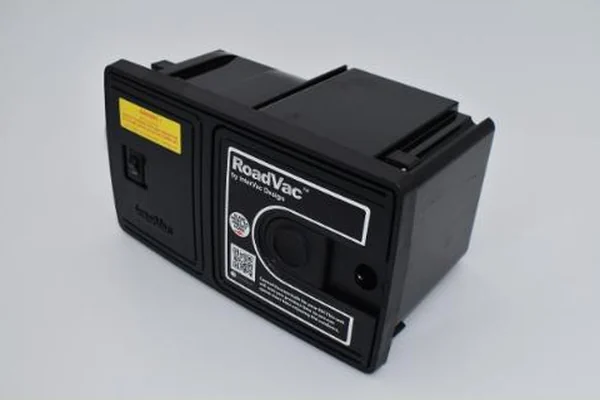
Two inlets, no electronics. Takes the Y11 bag.
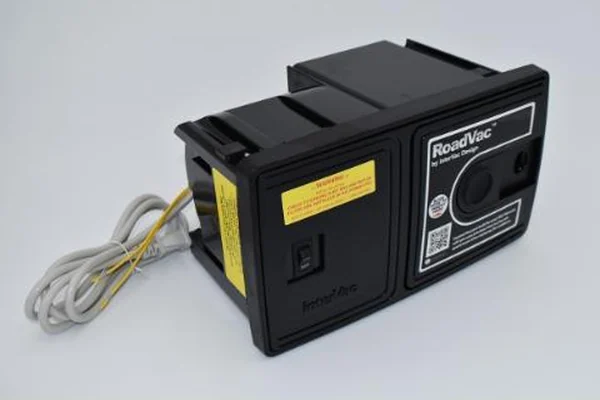
Automatic, and the one coach builders specify. Takes the Y11 bag.
Hide the power unit, keep the reach. Takes the Y11 bag.
On and off from the handle. Takes the Y11 bag.
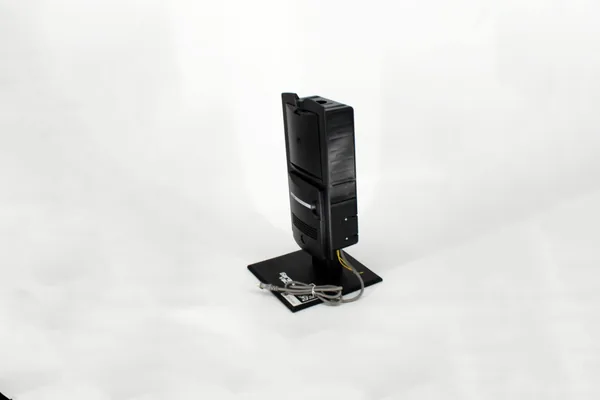
The other InterVac that ends up in a coach. Takes the Y08 bag.
Compare all seven Find which one you have
The RM is not a RoadVac, and it takes a different bag. It is a bigger unit — 530 air watts and up to 1,500 sq. ft. — and it uses the Y08 bag rather than a Y10 or Y11. If your bag says Y08, that is what you have.
Self-contained means the inlet is part of the unit. On the CS-6 and CS-8 the hose plugs into the face of the vacuum. They take no inlet valves, no pipe, no D-900 couplings and no VacPort — there is nowhere to connect them. The CS-9, CS-10, CS-RM and CS-RM-RC are piped systems and take the whole installation range.
Why built in
Every cubic foot in a coach is already spoken for. A canister vacuum has to live somewhere, and wherever you put it, it moves — across a bay, into a cabinet door, against a wall panel — every time you drive.
A RoadVac weighs 8 lbs, sits in a 12 x 12 x 8 in. space you were not using, and the only thing you store is a hose. It runs on the power you already have: 12 amps at 60 Hz, on 110V or 220V, with 240V single phase available on request.
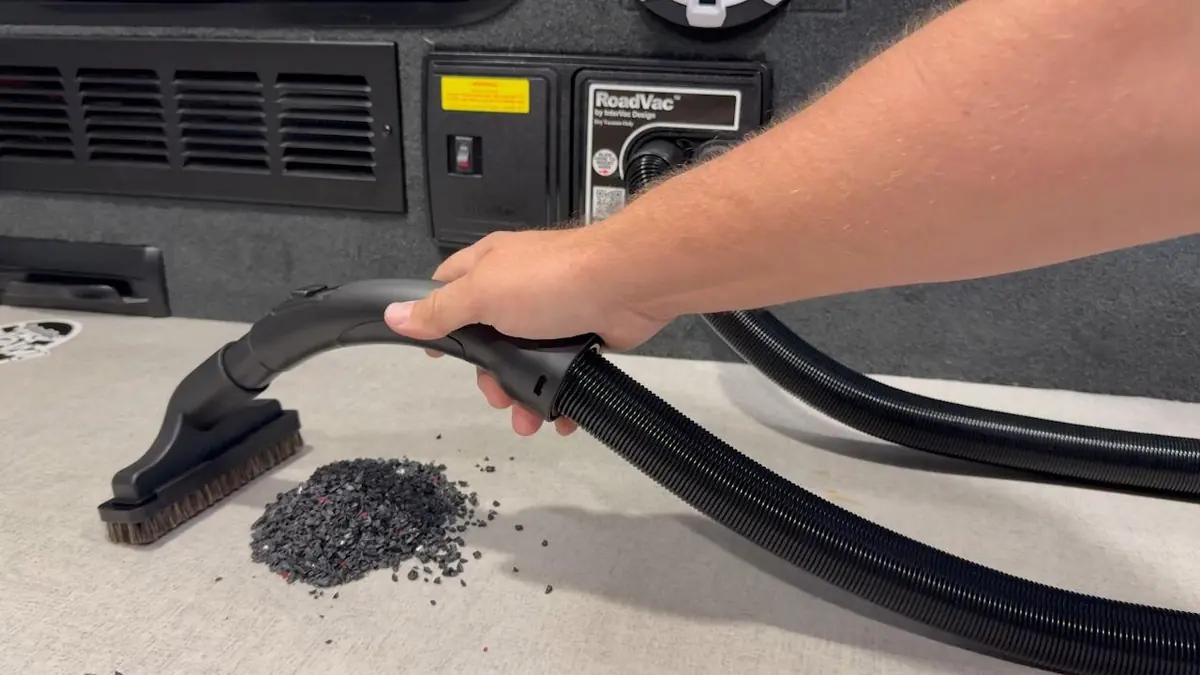
The RoadVac CS front panel. One switch, one inlet, one bag door.
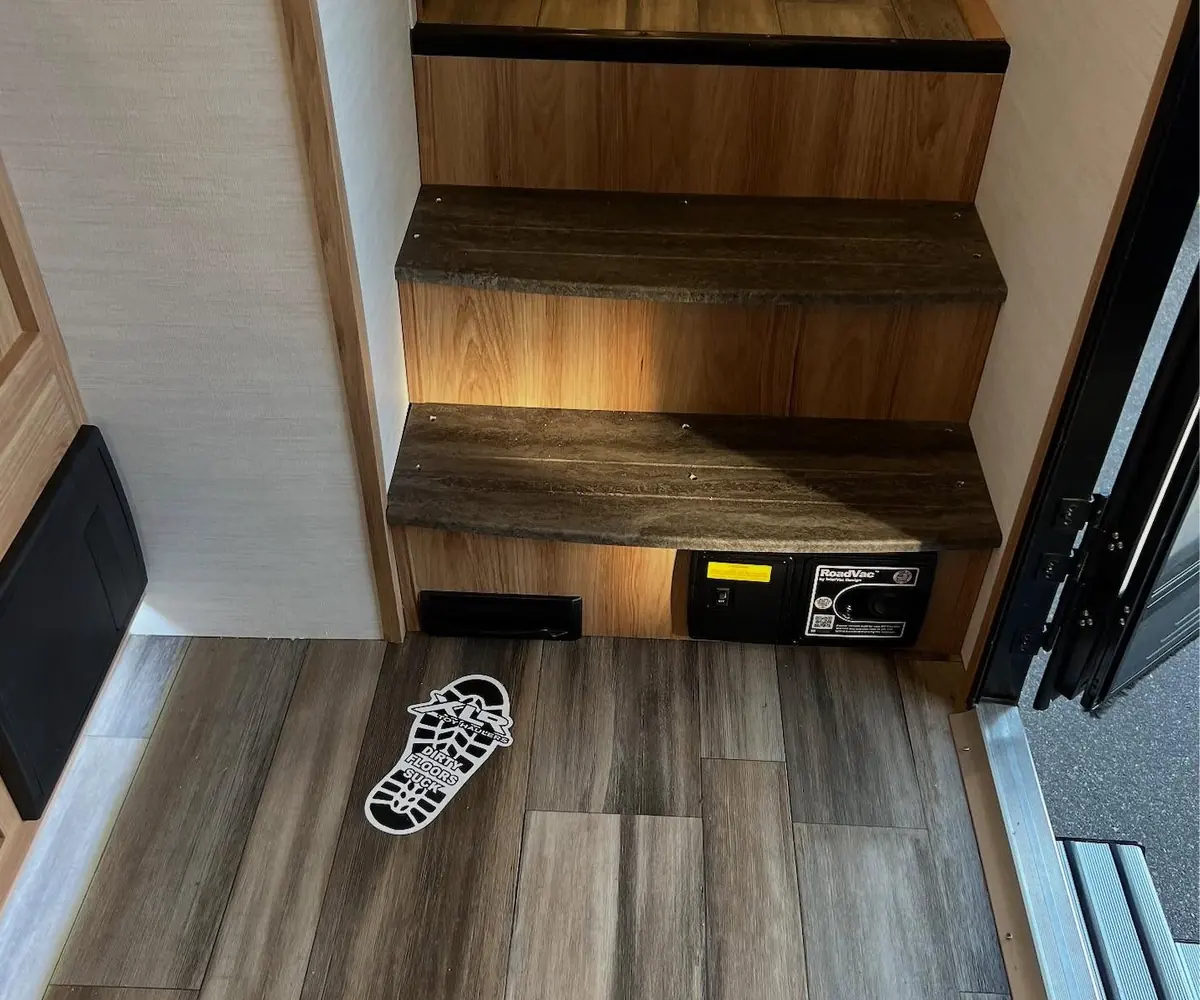
The exhaust question
The RoadVac CS line has no exhaust filter, and that is deliberate. In a house, exhaust air disappears into a large room. In a coach it comes straight back at you.
So instead of filtering it, the CS line vents it overboard — through the sidewall or the floor, out of the living space entirely. The C-060-E funnel is $12.59 and the complete AS-61 kit is $18.86.
Watch it done
A full CS-RM walkthrough, a Class B retrofit and a travel-trailer retrofit. Plus VacPort fitting, bag changes and hose repairs.
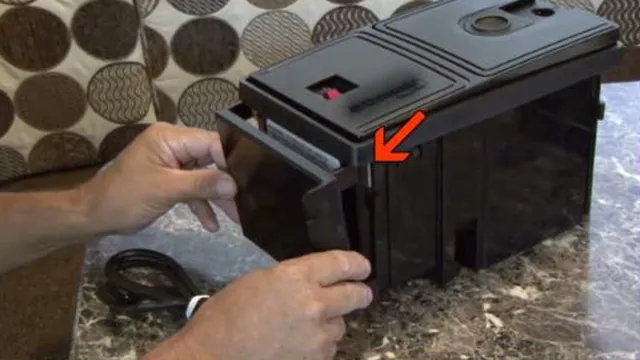 CS-RM RV central vacuum installation, step by step
The full walkthrough. Start here for a new or retrofit install.
CS-RM RV central vacuum installation, step by step
The full walkthrough. Start here for a new or retrofit install.
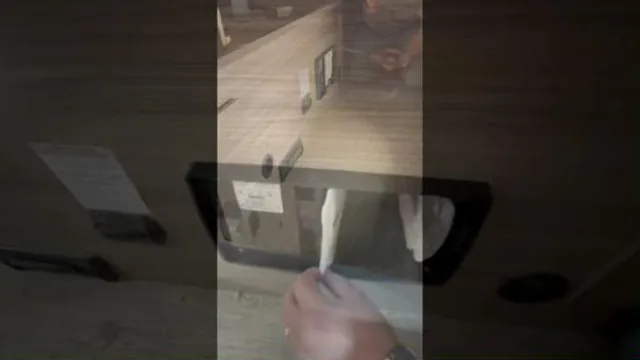 Class B motorhome install, CS-RM and VacPort
A tight Class B coach, power unit and VacPort fitted together.
Class B motorhome install, CS-RM and VacPort
A tight Class B coach, power unit and VacPort fitted together.
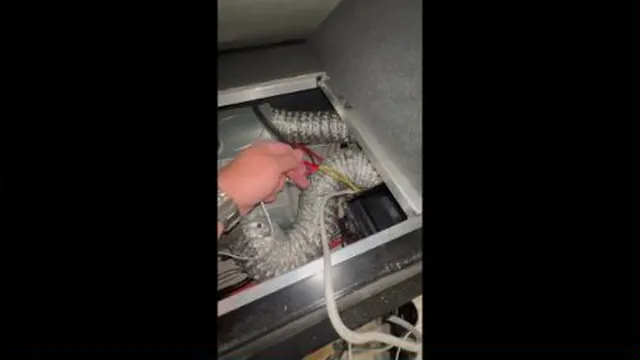 Encore ROG 12RK, CS-RM install
A retrofit into a travel trailer, start to finish.
Encore ROG 12RK, CS-RM install
A retrofit into a travel trailer, start to finish.
Tools
Everything InterVac makes is 32 mm, which is the same standard Beam, NuTone, Broan, Husky, Vacuflo, Hayden and most others use. There is no per-model kit. If your wand measures about 1-1/4 in. across, these fit.
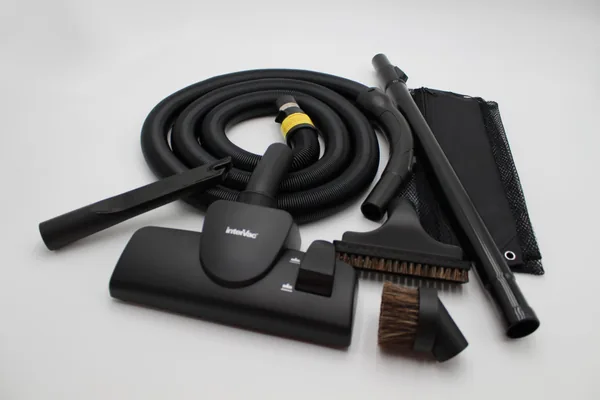
7 pieces: 35+ ft stretch hose, telescopic wand, combination rug and floor tool, crevice tool, dust brush, upholstery brush, mesh bag.
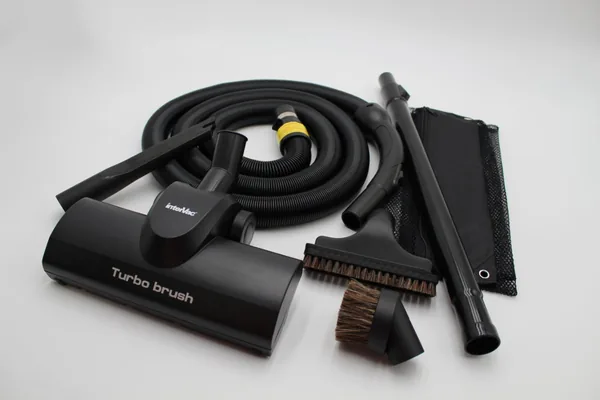
Everything in the TK108-B plus a turbo brush for carpet and upholstery.
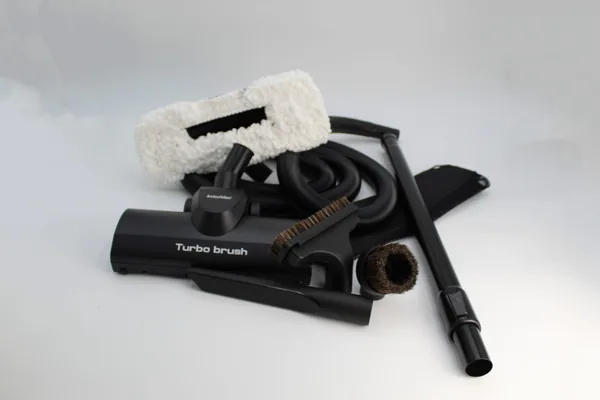
8 pieces — adds a medium turbo brush and a dust mop to the TB kit.
Your coach may not have come with the tools. A lot of RV builders fit the vacuum at the factory and leave the hose and tool kit out — the kit is sold separately. That is not a fault with your system, and any 32 mm kit fits it.
Specifications
Aaron Martz wrote the RoadVac comparison guide these come from, and the figures do not vary by model — a CS-6 moves the same air as a CS-RM-RC.
| Air watts | 414 |
|---|---|
| Water lift | 92 in. sealed / 52 in. working |
| Airflow | 107 CFM max / 38 CFM working load |
| Motor | 1,200 watts |
| Current draw | 12A at 60Hz / 5.9A at 50Hz |
| Power source | 110V or 220V (240V single phase on request) |
| Sound level | 74.6 dB |
| Bag capacity | 0.5 gallon |
| Filtration | HEPA type, sealed dust bag |
| Coverage | Up to 900 sq. ft. |
| Hose | 35+ ft stretch hose |
| Certifications | UL, CE and UKCA |
| Unit weight | 8 lbs |
| Shipping carton | 12 x 12 x 8 in. |
| Warranty | 2 years on the unit, 30 days on accessories |
Questions
Look at where the hose plugs in. If it plugs into the face of the vacuum itself you have a self-contained model, a CS-6 or CS-8. If it plugs into an inlet valve somewhere else in the coach, you have a piped model: a CS-9, CS-10, CS-RM or CS-RM-RC. If the unit is hard to reach, pull the dust bag and count the openings on the cardboard collar. One opening is a Y10 bag and means a CS-6 or CS-8. Two openings is a Y11 bag and means a CS-9, CS-10, CS-RM or CS-RM-RC.
It replaces the dust pan, not the hose. A VacPort is a small door set low in the wall or the toe kick. You open the door, that starts the vacuum, and you sweep the dirt straight into it — it travels down the pipe to the power unit's dust bag. No hose plugs into a VacPort. The hose plugs into an inlet valve, which is a separate part.
Only on the piped models. A VacPort works with the CS-9, CS-10, CS-RM and CS-RM-RC. It will not work with a CS-6 or a CS-8, because on those two the inlet is built into the unit and there is no pipe run to connect it to. That is not an upgrade or an option; the plumbing does not exist.
By design. Instead of filtering the exhaust and returning it to the living space, the CS line offers an overboard exhaust: the C-060-E funnel and the AS-61 kit vent it outside the coach entirely. In a space the size of an RV that beats any filter, because the dust never comes back into the room you are standing in.
No. They look nearly identical on a shelf but the Y10 has a single opening and the Y11 has two. Fitting the wrong one means the bag will not seal, and running a unit with an unsealed bag puts dust through the motor. Count the openings before you order.
Almost certainly. The Dometic CV1003 is a CS-6 or CS-8 under Dometic's name and takes the Y10-5. The Dometic CV1004 is a CS-9, CS-10 or CS-RM under Dometic's name and takes the Y11-5. The same bags, filters and tool kits fit.
The housing is injection-molded and the unit assembled at InterVac Design Corp's plant in Palm City, Florida, where the company has built vacuums since 1997. Some components, including the motor and the control board, are sourced globally. The system was designed by our founder, a German engineer.
Yes, if it is a 32 mm system. Our kits fit Beam, NuTone, Broan, Husky, Vacuflo, Hayden, Cana-Vac, Duovac, Cyclovac, M&S (MD), Astrovac and Electrolux, among others. They do not fit 35 mm European-style wands or portable canisters such as Shark, Dyson and Miele. Measure the outside diameter of your wand: it should be about 1-1/4 in.
Both, in effect. RoadVac.com is where the RV range lives, so you are not sorting through garage, home and boat products to find the one that fits your coach. Checkout, payment, shipping and returns are handled by InterVac Design Corp at intervacdesign.com, which is the same company. Nothing is resold and there is no middleman.
Palm City, Florida
The RoadVac housing is injection-molded in our own plant in Palm City and the units are assembled there. Some components, including the motor and the control board, are sourced globally — so we do not claim the vacuum is made in the USA. We claim the part we actually do, and we will tell you which part that is.
Find your model Call 772.463.1400
Mon-Fri 8:00am-3:30pm ET · orders@intervacdesign.com